About me..
I am a Business Management student, soon going university. I have been studying Business for about 2 years, and I love the program. I am more oriented towards the Marketing classes.
Even though I've not been studying business for long, it is in my blood since a very young age. I found myself building multiple businesses for fun and money. My mom always insisted on how creative I am.
I also practice photography and videography as a self-employed worker for 4 years now and truly enjoy doing it.
My dream later is to be my own boss by owning my own company one day. Watch me do it.

Finance glossary
In this glossary, I will explain the principal terms and concepts that are used in the finance world, so that you can understand them and maybe use them later on. A lot of people get at a certain point where they want to venture themselves in the world of finance but give up due to the lack of information and explanations on some of the concepts and vocabulary that are used in this environment. When I first started exploring finance, I didn't know what I was doing, since everything looked so confusing and almost every piece of information was unknown to me. When I tried looking something up, I had no resources to help me understand what something meant. I then sat on my computer for about a day studying the vast world of finance, its vocabulary and concepts I didn't know anything about. This glossary is the product of the hours I on a school chair and at home absorbing and sorting various information.
- Asset
- Noun
- What is owned by a person or a company, which counts for a certain value.
- Example: This person's assets are in a wise variety of industries.
- fr: Actif

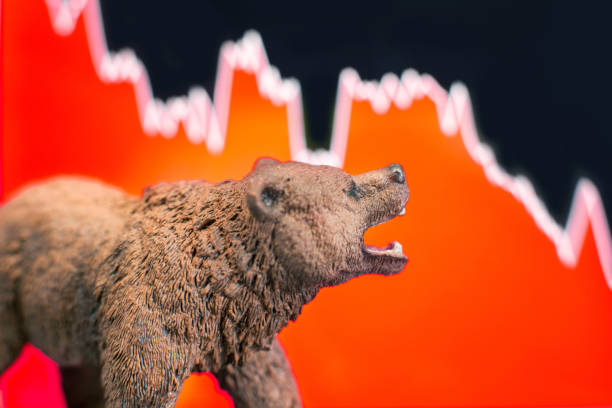
- Bear market
- Noun
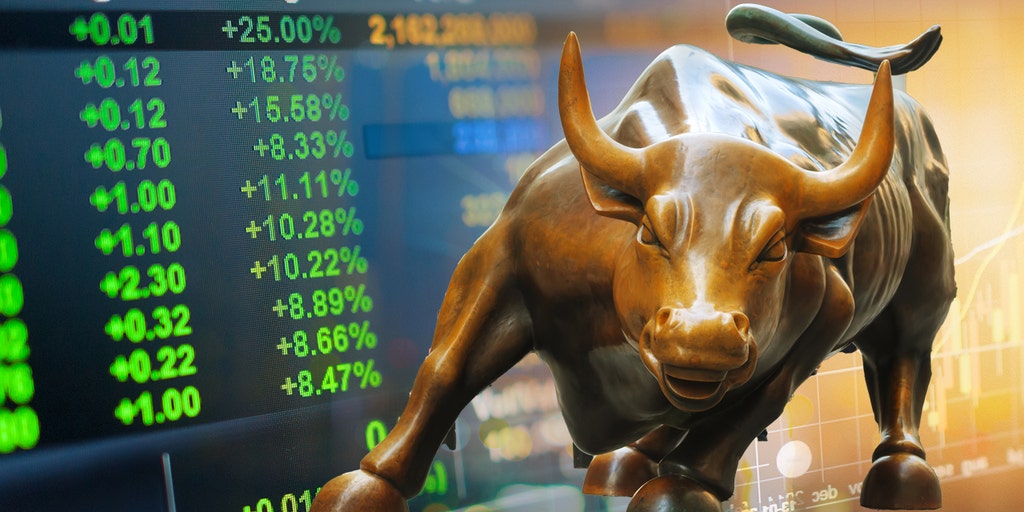
- It is an expression we use when the market is mainly down
- Example: Bear market is here boys! Prepare to buy de dip.
- fr: Marché à la baisse
- Bull market
- Noun
- It is the opposite of a bear market. It is when the market is mainly going up.
- Example: Bull market incoming! Hold on to your hats and assets.
- fr: Marché à la hausse
- Cryptocurrency
- Noun
- Cryptocurrencies are basically virtual money. There is a ton of different cryptocurrencies currently in the market. They are known to be very volatile and risky. The cryptocurrency market recently had a boom.
- Example: I bought this item with cryptocurrency on the internet.
- fr: Crypto-monnaie

- Dividend
- Noun
- Dividend is the word used to define the reward paid from the company to the shareholders in compensation to holding some shares of a company. It is often calculated as dividend yield in percentage.
- Example: Apple offers a 0.5% dividend yield per share, meaning if you own 10 000$ in apple, you will receive approximately 50$ per year
- fr: Dividendes

- Exchangeable traded fund
- Noun
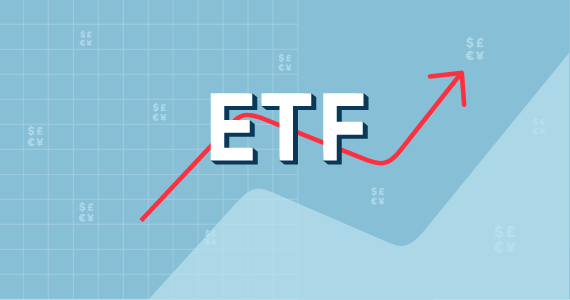
- Exchangeable trading fund, also known as the acronym, ETF, is a fund that you can trade on the market as stock would. Think of it as if you were to walk in a chocolate store that has 100+ different sort of chocolate. It would cost way too much to buy every chocolate to try them all so the store offers a gift bundle with samples for a lower price. In this case, the gift bundle is the ETF but with market stocks.
- Example: I bought this ETF that has holding in more than a 100 companies in the united states!
- fr: Fond indiciel
- Liabilities
- Noun
- Liabilities are the legal debt either a company or an individual owes to a company or another individual.
- Example: This company knows how to manage their liabilities.
- fr: Dette

- Limit order
- noun
- A limit order allows an investor to buy or sell securities at a certain price. As soon as the system finds an order matching the price stated, the order will execute. For example, let's say someone placed a sell order at 100$ even though the market price is at 90$. As soon as the system finds an opposite order, a buy order, at that exact price, the order will execute at that price. So if someone places a buy order at 100$ the order will be fulfilled.
- Example: I bought this stock at 177$ with the help of a limit order. It took a while to fulfil that order since the market price is currently at 183$.
- fr: Ordre limite
- Market capitalization
- Noun
- A market capitalization of a company is basically what a company has minus what they owe. In other words, the total value of a company.
- Example: The market capitalization of this company is pretty low, which leaves a lot of room for exponential growth.
- fr: Capitalisation boursière

- Market order
- noun
- A market order is when you buy or sell a security at its current price. It is the most used type of order since it's the simplest one. It is good to use in a situation if you want to sell or buy a stock on the spot.
- Example: I sold my holdings at the market price this morning with the help of a market order.
- fr: Ordre de marché
- Networth
- Noun
- It is basically someone is worth. It is determined by calculating the sum of a person's assets minus their liabilities. In other words, it is what is owned, minus what is owed.
- Example: I just calculated my net worth, it has more M's than a slim shady video..
- fr: Valeur Nette

- Orderbook
- Noun
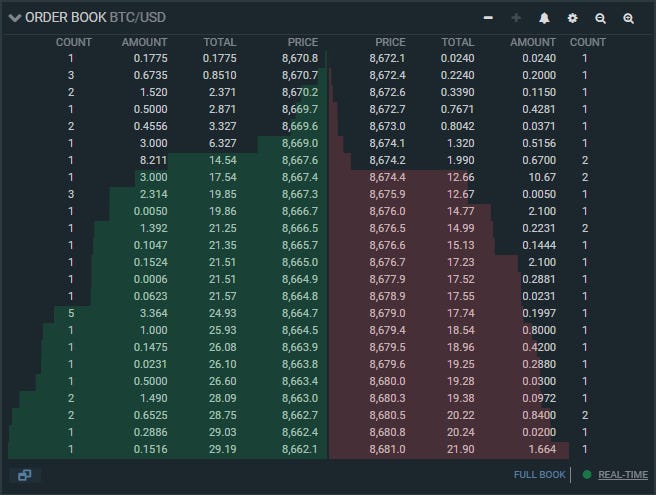
- Orderbooks are mostly used in cryptocurrency trading or forex trading since in these markets, every trade needs to be fulfilled as quickly as possible since a second could change a lot of things. It is beneficial since you don't need any paperwork at the time of placing an order.
- Example: I am seing alot of selling orders in this orderbook at the moment.
- fr: Carnet de commandes
- Portfolio
- Noun
- A portfolio is a collection assets that one has.
- Example: My portfolio is down today.
- fr: Portfolio

- Return on investment
- Noun
- A return on investment is when you cover the expenses of something with it's own revenue.
- Example: I can finally stop eating pasta and noodles, I got my return on investment on that building I talked to you about.
- fr: Retour sur investissement

- Stock
- noun
- A stock is an equity that is tradable through the stock market. Think of it as an auction house where there is different rooms for each company. In these rooms, is people trading holdings of a company in exchange of money. If a lot of people are wanting to buy a stock, the price is likely to go up since it is more wanted, therefore rarer. In other case scenarion, if alot of people want to sell that stock, the price will go down since it is less rare.
- Example: I will buy this stock today, it seem to have a promising future.
- fr: Action

- Stop limit
- noun
- A stop limit is a combination of a stop market order and a limit order. It will execute itself once the market price reaches a defined price, which will then trigger a limit order at a certain price. Let's say someone placed a buy stop limit order at 200$ for a price of 198$. As soon as the stock reaches 200$, the order will trigger itself as a limit order of 198$. So as soon as the algorithm finds a sell order matching the buy order, meaning it would need to be a sell order for 198$, the order will get fulfilled.
- Example: If my stock falls below 100$, I put up an order to sell it at 103$.
- fr: Limite stop

- Stop market
- noun
- A stop market is an order that executes itself once the price of a security reaches a defined price, which will then trigger an order at the market price. It is mostly used when you expect a security to fall below a certain price, and you want to sell it to protect yourself from possible losses. It is also used to buy a security if it goes higher than a certain price, and you think it will continue rising.
- Example: If my stock falls below 100$, I put up an order to sell it at the market price.
- fr: Marché stop
/stop_loss_order_strategies-5bfc358246e0fb00265dca93.jpg)
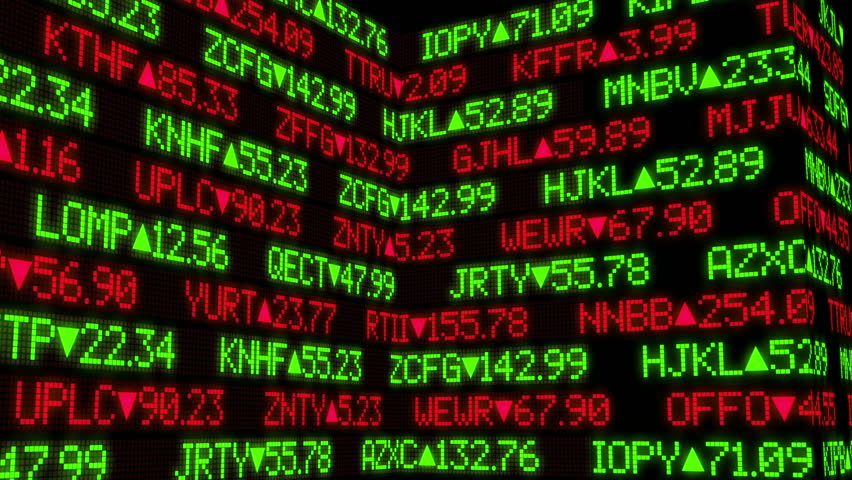
- Ticker
- Noun
- Also known as stock symbol, a ticker is generally a 1 to 5 combination of letters that is used to identify a stock in the market.
- Example: The ticker for the Apple company is AAPL.
- fr: téléscripteur
- Trailing stop
- noun
- A trailing stop allows a trader to either buy or sell a security once it moves a certain value away from its value at a certain length of time. I will use cryptocurrencies as an example for this one since it is very volatile and this type of order is more often used in that market. People often put trailing stop order to protect their gains from a cryptocurrency if it falls. So, let's say you bought a coin at 100$ and you put a trailing stop with a value of 5$. If the coin would be to fall below 95$, the market order will execute and sell you holdings. On the other side, if the coin rises to 120$, the trailing value will update to 115$, and if the coin falls from that point to 20$, the order would've triggered at 115$, so you would've protected your profits from the fall of the price. To understand this one, I had to do some research. I mainly got my information from this internet user, who explained the trailing stop concept. https://qr.ae/pGQpy0
- Example: If my holdings fall below 10$ of its price, my holdings will sell automatically.
- fr: Stop suivi
- Volatility
- Noun
- Volatility is the term used to explain when the market moves a lot. There are indexes that represents how volatile the market is.
- Example: The market was extremely volatile today!
- fr: Volatilitée

Comments
Post a Comment